

Brownfield or Greenfield? Build One Connected Factory
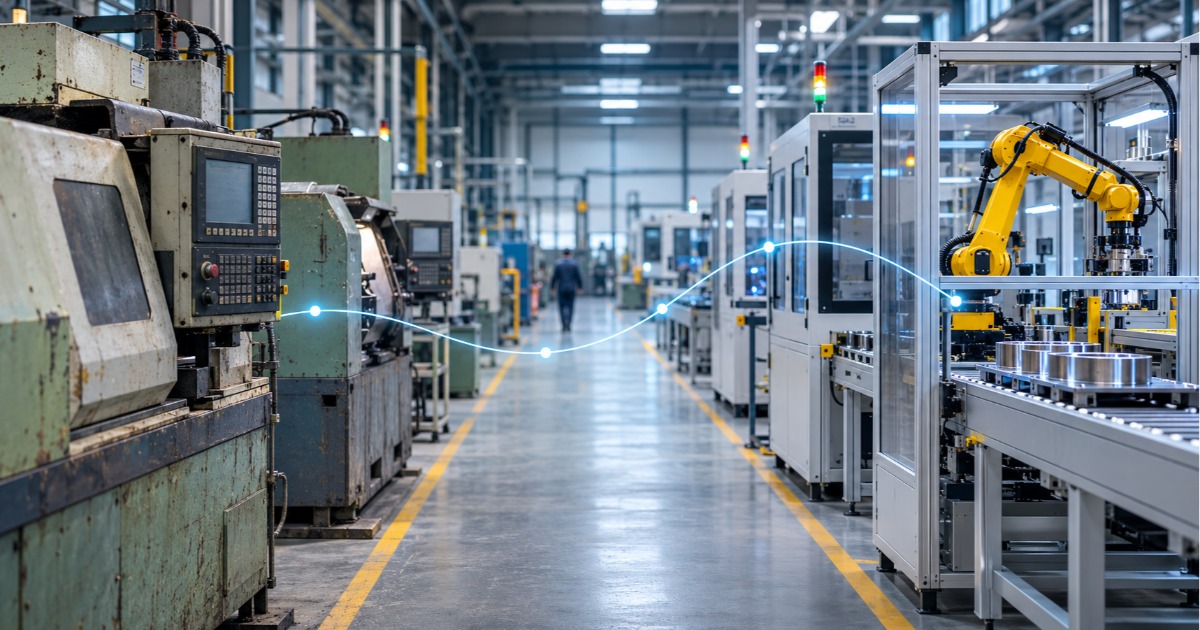
A factory doesn't need to be newly built to become a connected factory.
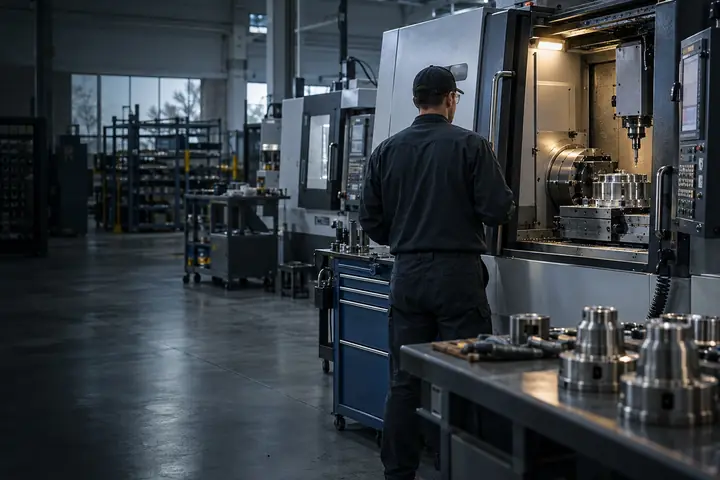
Walk into almost any manufacturing facility and you will find equipment from different generations working side by side. A legacy CNC machine may share the shop floor with a newly commissioned automated production line. Utility meters, PLCs, quality systems and maintenance records may all generate valuable information, but rarely in one place.
The challenge isn't always a lack of data. It's the lack of connection between that data and the decisions people need to make.
For manufacturers modernizing existing plants or building new facilities, the opportunity is to create a unified operational environment where machines, processes and people work with the same information.
Brownfield vs. Greenfield: Two Starting Points, One Goal
Brownfield manufacturing refers to existing industrial facilities with established equipment, processes and infrastructure.
These facilities often have decades of investment in machinery that continues to perform its intended function. Replacing operational equipment simply to enable digital connectivity is not always practical or economically justified.
The real challenge is extracting meaningful information from existing systems without disrupting production.
Greenfield manufacturing, on the other hand, involves newly established facilities where automation, connectivity and digital infrastructure can be incorporated from the beginning.
While greenfield plants may have an advantage in adopting newer technologies, having connected equipment does not automatically translate into connected operations.
A modern production line may still operate independently of quality management, maintenance, utilities and enterprise systems.
Whether a factory is brownfield or greenfield, the goal remains the same: turn disconnected operational information into actionable intelligence.
Why Connectivity Alone Is Not Enough
Connecting machines is an important first step. But simply collecting data and displaying it on dashboards does not solve every manufacturing challenge.
Consider a production line experiencing frequent interruptions.
The machine controller may capture fault codes. The maintenance team may record breakdowns in a separate system. Production supervisors may maintain shift-level performance reports, while quality personnel track rejected components elsewhere.
Each department sees part of the problem.
Without connecting these records, understanding the relationship between equipment performance, maintenance activities and production quality becomes difficult.
A connected operational environment allows manufacturers to examine these events together rather than in isolation.
For example, teams can investigate whether recurring machine stoppages coincide with a particular shift, product variant, operating condition or maintenance event.
The value comes not just from collecting information, but from giving that information operational context.
Connecting Existing Equipment Without Replacing It
Brownfield modernization does not have to begin with replacing machines or rebuilding automation infrastructure.
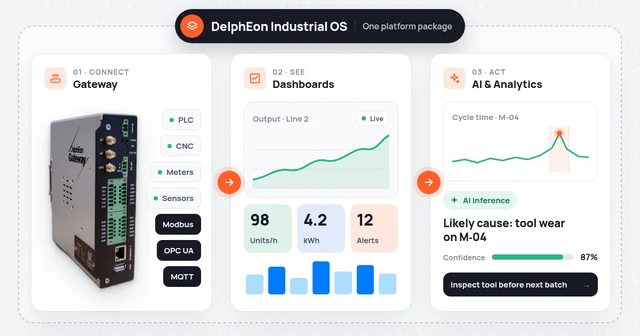
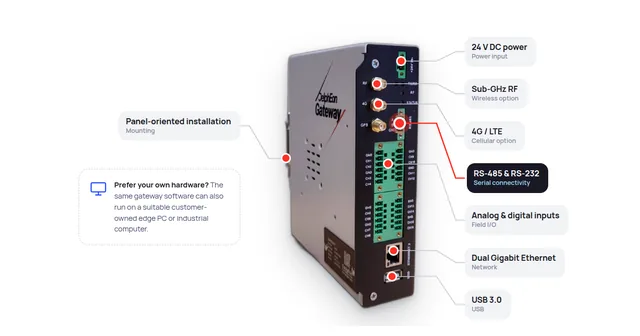
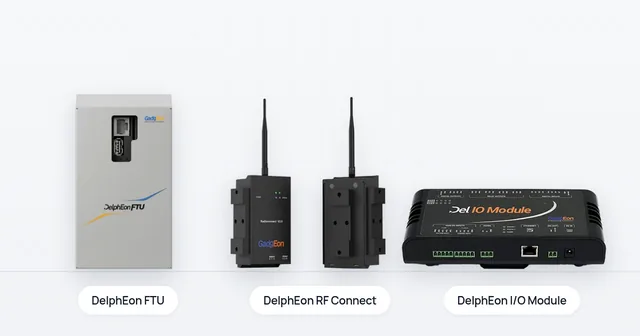
Industrial IoT gateways, communication interfaces and additional sensors can help bridge existing equipment with modern software platforms.
Depending on the available interfaces, manufacturers can collect data through industrial communication protocols such as Modbus, OPC UA and supported PLC-specific protocols.
For equipment with limited digital connectivity, additional sensing and I/O interfaces may provide a practical alternative.
This approach allows manufacturers to gradually build visibility into machine status, production counts, operating conditions, downtime and utility consumption.
Importantly, data acquisition should be planned around existing operational technology, cybersecurity requirements and production continuity.
The objective is not to replace functioning machine controls. It is to make relevant operational information accessible to the people and systems that need it.
From Machine-Level Data to Plant-Wide Visibility
A connected factory extends beyond the shop floor.
Manufacturing performance depends on how effectively production, quality, maintenance, utilities and material movement work together.
Consider the opportunities when these functions share a common operational view.
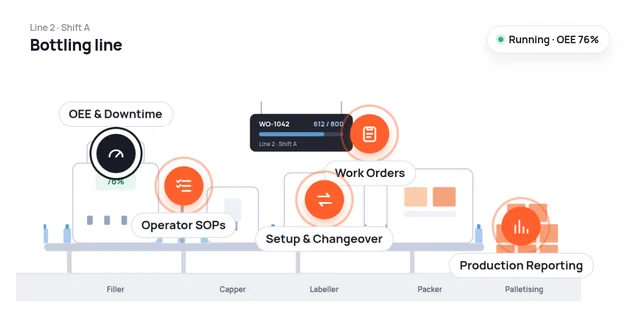
Production Monitoring
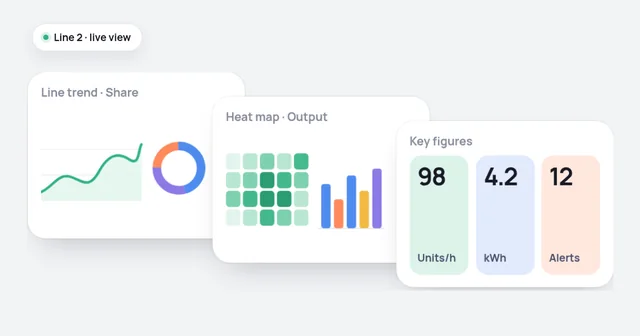
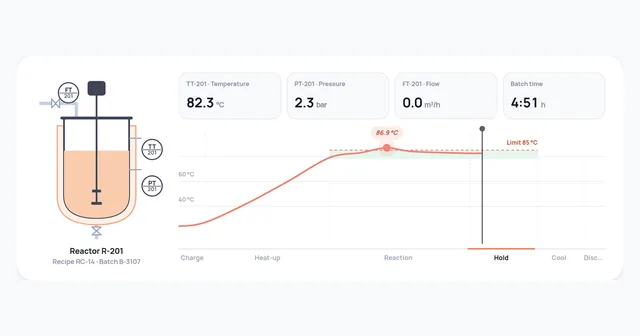
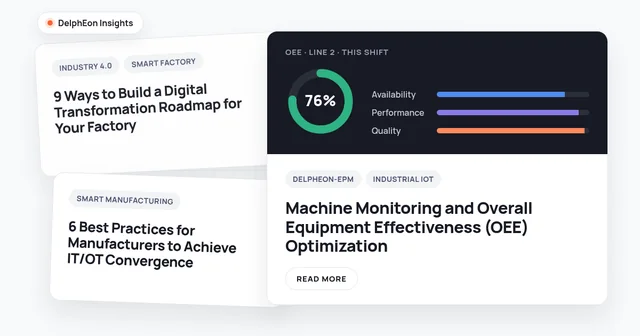
Track production quantities, machine availability, downtime and Overall Equipment Effectiveness (OEE) to identify performance gaps and support faster corrective action.
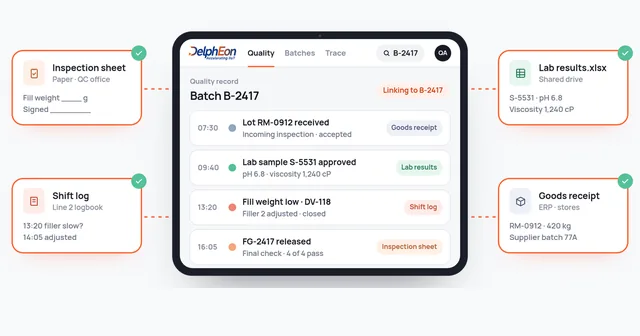
Quality and Traceability
Connect production conditions with quality inspections, batch records and process deviations to support traceability and root-cause investigations.
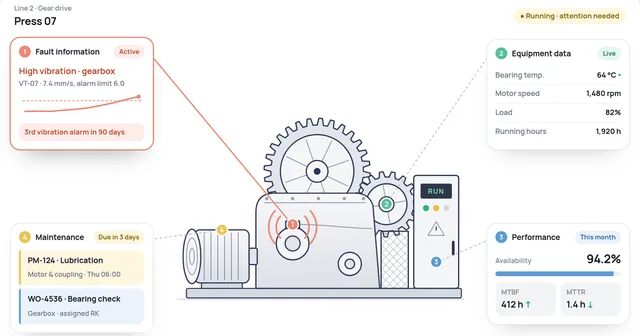
Maintenance Management
Bring together machine events, equipment history and maintenance workflows to improve response coordination and identify recurring reliability issues.
Utilities and Cost
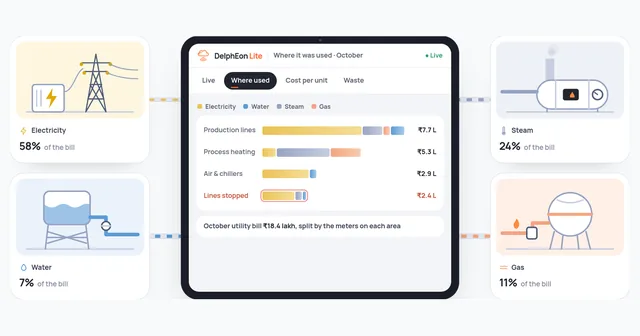
Monitor electricity, water, compressed air and other utilities alongside production activity. This helps teams evaluate resource consumption in the context of actual output.
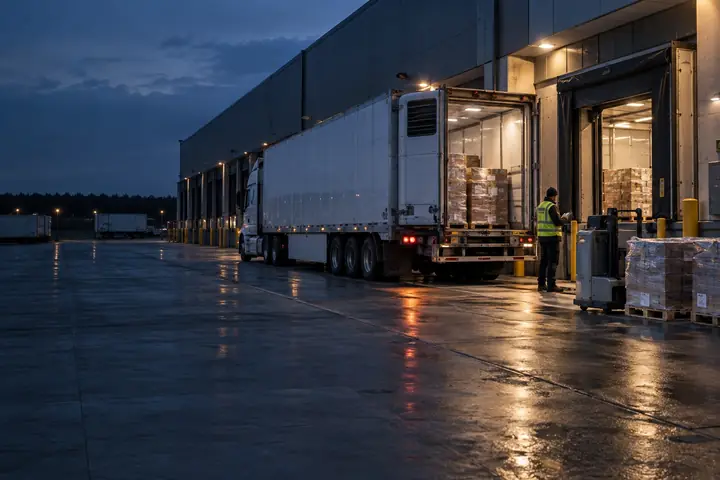
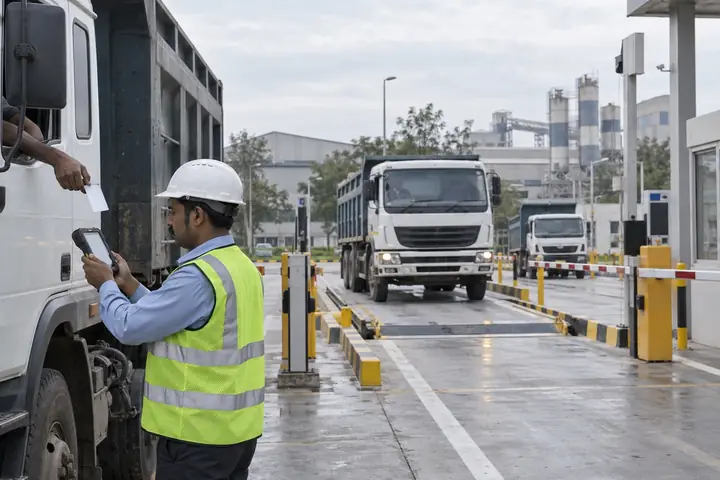
Plant Logistics
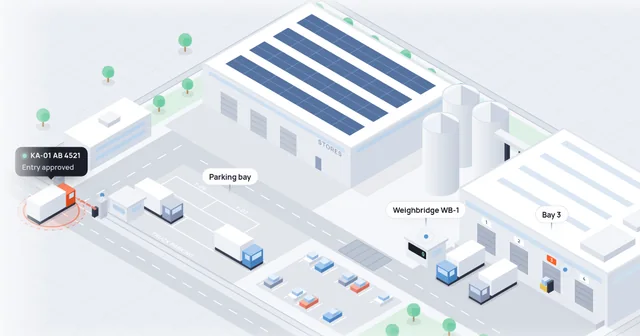
Digitize material movements, approvals, vehicle activities and related workflows to improve coordination between production and supporting operations.
When these functions are connected, manufacturers can move beyond department-specific dashboards toward a more complete understanding of plant performance.
Where an Industrial OS Fits In
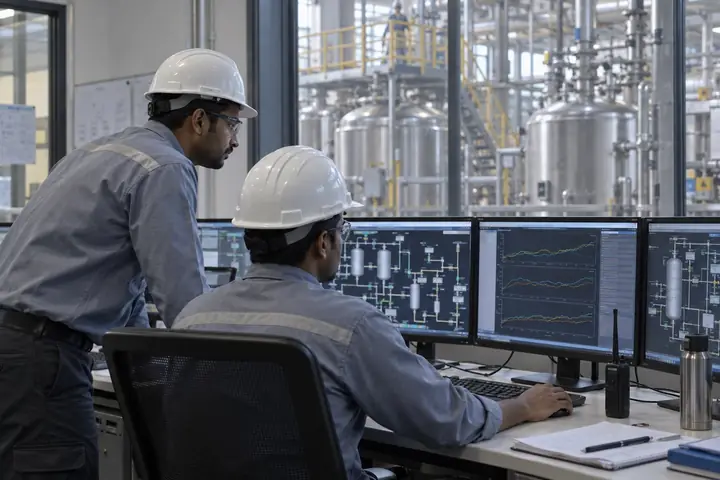
Most manufacturing facilities already operate multiple systems, including PLCs, SCADA, DCS, ERP applications and specialized software.
Introducing another isolated application may only add to the complexity.
An Industrial Operating System provides a software layer that connects operational data, business processes and workflows across the plant.
Rather than requiring every function to operate independently, it enables manufacturers to build a more unified operational environment around their existing infrastructure.
DelphEon Industrial OS, developed by Gadgeon Smart Systems, is designed around this approach.
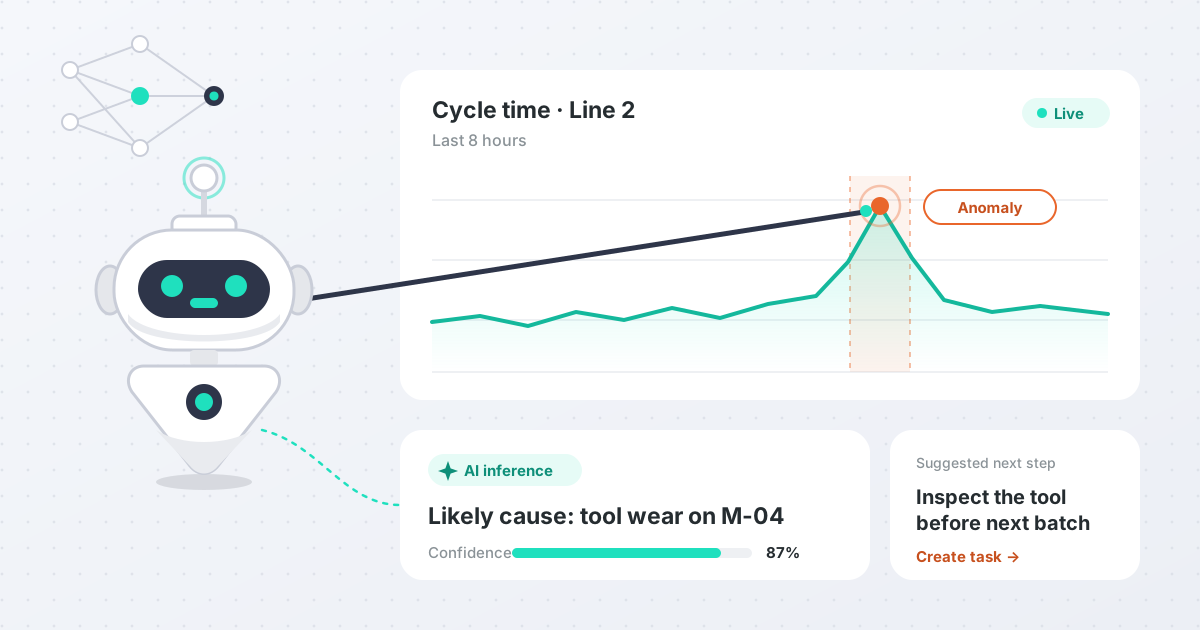
It brings together industrial connectivity, configurable workflows, visualization, operational applications and assisted intelligence to support diverse manufacturing requirements.
Manufacturers can start with a specific operational challenge, such as production monitoring or utility visibility, and extend the solution to additional processes as requirements evolve.
This flexibility is particularly valuable for facilities operating a combination of legacy equipment, modern automation and existing enterprise systems.
A Practical Approach to Getting Started
Building a connected factory does not require digitizing everything at once.
A phased approach helps manufacturers prioritize value while managing implementation complexity.
1. Identify the operational challenge
Start with a clearly defined problem, such as unplanned downtime, inconsistent batch quality, high utility consumption or limited production visibility.
2. Assess existing infrastructure
Understand the machines, controllers, sensors, software systems and communication interfaces already available.
3. Establish reliable data collection
Connect the required equipment and systems using appropriate industrial gateways, interfaces and integration methods.
4. Build actionable workflows
Translate collected information into meaningful dashboards, alerts, reports and operational processes.
5. Measure outcomes and expand
Evaluate improvements against defined KPIs before extending the implementation to other machines, departments or facilities.
This approach helps ensure that digitalization efforts remain connected to measurable operational objectives.
The Next Step Is Connected Operations
A factory's digital maturity should not be determined by the age of its equipment.
A decades-old machine can still contribute valuable production insights. A newly commissioned automated line can still benefit from better integration with quality, maintenance and enterprise operations.
What matters is how effectively the organization connects its available information and converts it into timely, informed action.
For manufacturers, the transition toward smarter operations is not necessarily about replacing what already works.
It is about connecting what exists, bringing clarity to everyday operations and creating the foundation for continuous improvement.
Connect Your Factory with DelphEon Industrial OS
Whether you are modernizing an existing plant or planning a new manufacturing facility, DelphEon helps bring machines, operational workflows and intelligence together.
Explore DelphEon Industrial OS and discover how connected operations can support your manufacturing goals.