







Partners & OEM

A partnership to deliver connected plants.

System integrators and equipment manufacturers can deliver DelphEon Industrial OS around the machines they already install. We agree the delivery scope, support ownership and commercial terms together, one engagement at a time.

Building equipment? Ask about an OEM scope.

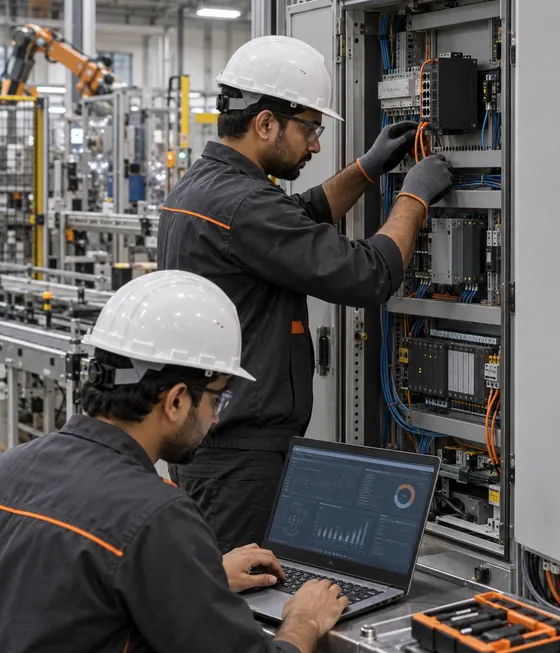
Two engineers commissioning a control panel on a factory floor, one wiring the cabinet and one configuring on a laptop

Partner team

Your customers, your equipment

  • Site survey & installation
  • Configuration & interfaces
  • Training & first-line support

DelphEon Industrial OS

The platform behind every site

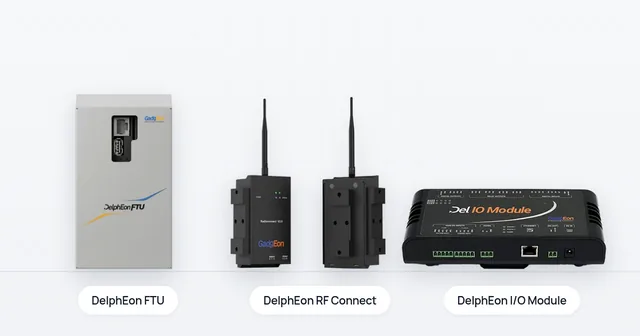
  • Platform & edge gateway
  • Updates & upgrade testing
  • Engineering escalation

Scope agreed together

Who we partner with

Built for the teams already on the plant floor.

Two kinds of partner deliver DelphEon today: integrators who build plant projects, and manufacturers who build the equipment inside them.

Two engineers in hard hats reviewing process diagrams and live trends in a control room overlooking stainless steel process vessels

System integrators

You know the plant. Add the platform behind it.

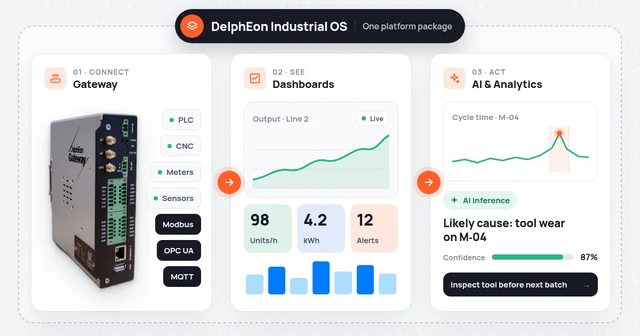
Integrators already survey sites, wire panels and commission automation. DelphEon gives that work a supported industrial platform, so every project ends with live plant data, dashboards and workflows rather than a one-off build to maintain alone.

Typical partner scope

  • Site survey, connection plan and installation
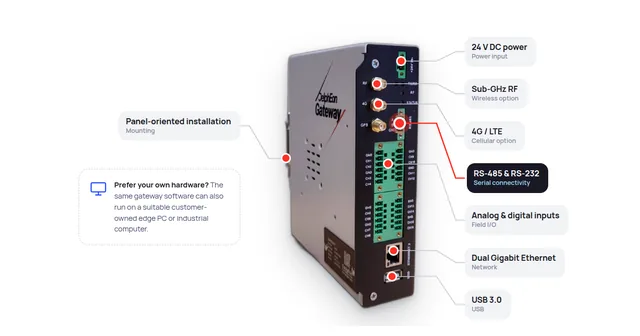
  • PLC, meter and sensor interfaces through the edge gateway
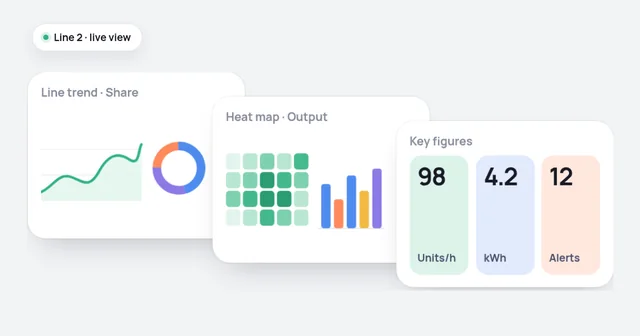
  • Dashboards, reports and workflows configured for the customer
  • Operator training and first-line support

Best fit: Automation, panel-building, SCADA and MES integrators
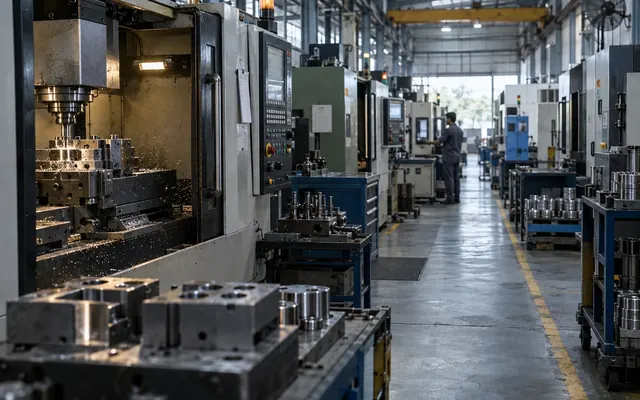
A row of CNC machining centres on a factory floor, one cutting a part while an operator works further down the aisle

Equipment makers (OEM)

Ship machines that report back.

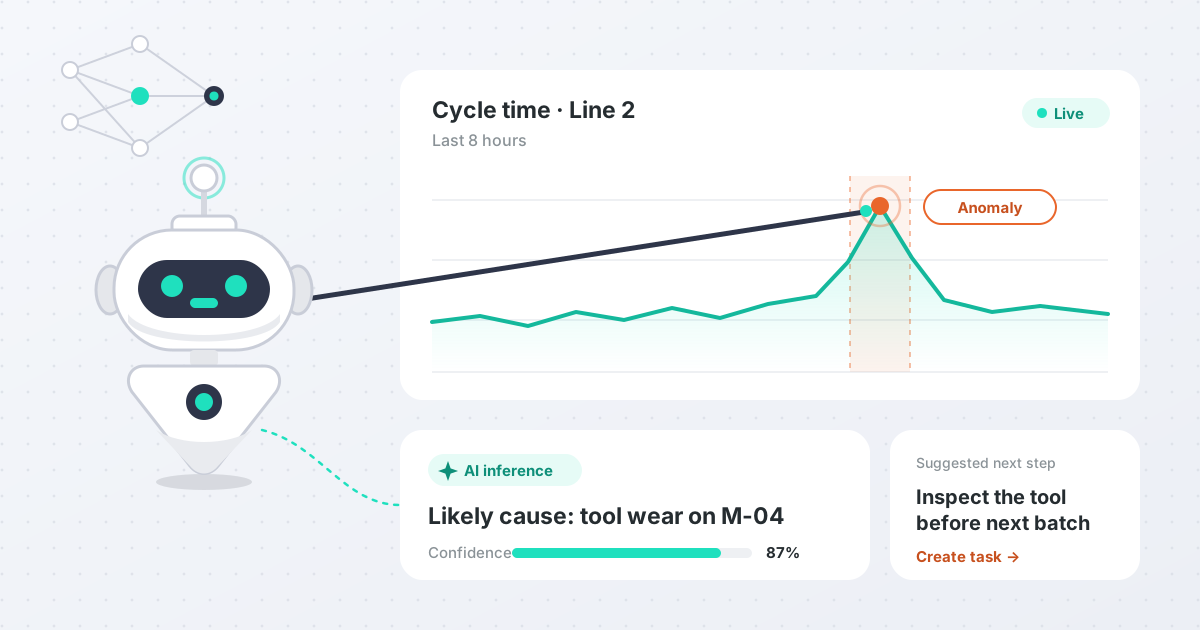
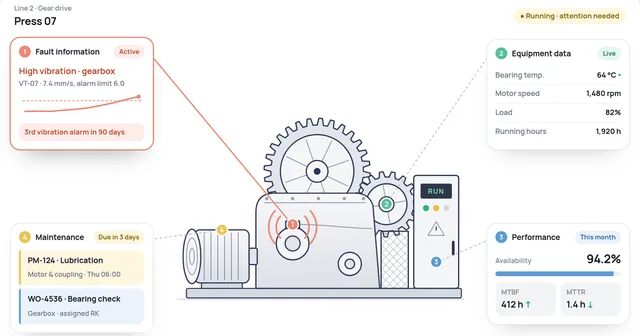
Equipment makers can connect the machines they build to DelphEon, so customers see condition and performance data from day one and the OEM can support its installed fleet with real data instead of phone calls.

Typical partner scope

  • Equipment data access and a standard tag model
  • Customer and site boundaries for machine data
  • Update ownership and release testing
  • Branding needs and any multi-tenant architecture assessment

Best fit: Makers of CNC machines, process skids, compressors, utilities and panels

What DelphEon brings

You deliver the project. We stand behind the platform.

Partners don't build or maintain the industrial platform themselves. Every engagement gets the same product, documentation and engineering support.

Who owns what

Clear ownership, agreed before the first site.

Most partnerships start from this split. Each engagement documents its own version, so the customer always knows who to call.

  • Leads
  • Supports
Typical split of responsibilities between partner and DelphEon
ActivityPartnerDelphEon
Customer relationship & sales LeadsSupports
Site survey & installation LeadsNot involved–
Configuration & equipment interfaces LeadsSupports
Training & first-line support LeadsNot involved–
Platform & edge gateway software Not involved–Leads
Updates & upgrade testing SupportsLeads
Engineering escalation SupportsLeads
Documentation, extensions & data export SupportsLeads
Commercial termsAgreed together, per engagement

How a partnership starts

One validated site, then repeat it.

We don't sign partners onto a programme first and find the work later. Each partnership starts with a real customer and proves itself on one installation.

  1. 01

    Fit

    Talk through your equipment, your market and the customer use case you want to serve.

    A shared view of the opportunity

  2. 02

    Responsibilities

    Map commercial, implementation and support ownership line by line, using the split above as a starting point.

    A documented role split

  3. 03

    Validation

    Deliver one representative installation together, including the recovery path when something fails.

    An accepted reference site

  4. 04

    Agreement

    Write down the repeatable scope, training, support obligations and commercial terms.

    A scope you can sell again

What to bring to the first call

No forms or application fees. A short conversation around these four things is enough to judge fit.

  • An inventory of the equipment and interfaces involved
  • The customer workflow you want DelphEon to support
  • Your proposed split of who does what
  • One representative customer or machine to start with

Questions partners ask

Straight answers before you call.

Can't find yours? Ask the partner team

Is there a partner certification programme?

Not a public one. Instead of a badge, we agree the training and acceptance review each engagement needs, and validate it on a real installation before anyone repeats it.

Do you publish margins or offer exclusivity?

No. Commercial terms, including any territory arrangement, are agreed for each engagement. We do not publish standard margins or promise exclusivity up front.

Can an OEM deliver DelphEon under its own brand?

Branding is part of the OEM scope discussion. We look at your branding needs together with customer and site boundaries and, where needed, a multi-tenant architecture assessment before committing.

Who supports the end customer day to day?

Usually the partner handles first-line support, because they know the site and the equipment. DelphEon owns the platform, updates and engineering escalation. The exact split is written down for each engagement.

What happens to customer data if a partnership ends?

Data export and handover are agreed before repeated delivery starts, so the customer's plant data is never locked to one partner arrangement.

How does a first engagement start?

With one representative customer and equipment scope and an acceptance review. Training, support and expansion obligations are agreed before wider rollout.