



Challenge 01
Complex Process Conditions
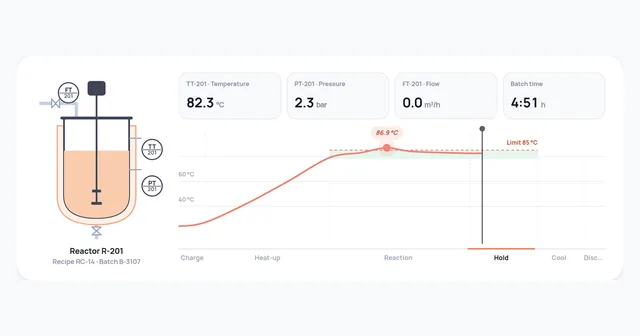
Variations in temperature, pressure, flow, and processing time can influence production outcomes.
“Why did R-101 run 6 °C over setpoint during the hold?”Process engineer
Chemicals & Specialty Chemicals
Chemical manufacturing depends on maintaining critical operating conditions, managing complex batch activities, and ensuring consistent output. DelphEon helps manufacturers monitor process performance, track batch history, and connect operational information across production.
Scroll to watch:Shown here: Running batch CH-2208 through Unit 1
Batch CH-2208 · Unit 1
Every batch step and process reading, in one history.
Variations in temperature, pressure, flow, and processing time can influence production outcomes.
“Why did R-101 run 6 °C over setpoint during the hold?”Process engineer
Monitor temperature, pressure, flow, equipment status, and other relevant process parameters to identify deviations and understand operating conditions.
In Unit 1R-101 reached 91 °C against an 85 °C hold setpoint for 22 minutes, and the excursion was flagged as a deviation.
Key measuresProcess Trends·Deviations·Operating Duration
Explore Process Monitoring & Batch ManagementDifferences between production runs can affect yield, processing efficiency, and product consistency.
“Same recipe, same reactor. Why did CH-2208 take 48 minutes longer?”Production manager
Track batch history, processing stages, and operating conditions to compare production runs and investigate differences in performance.
In Unit 1CH-2208 took 7.0 h against 6.2 h for CH-2207 on the same recipe, and its yield fell from 96.1% to 93.4%.
Key measuresBatch Cycle Time·Yield·Process Variations
Explore Process Monitoring & Batch ManagementTest results and manufacturing records may remain separated, slowing investigations and approvals.
“Has the CH-2208 sample been tested and approved yet?”QC manager
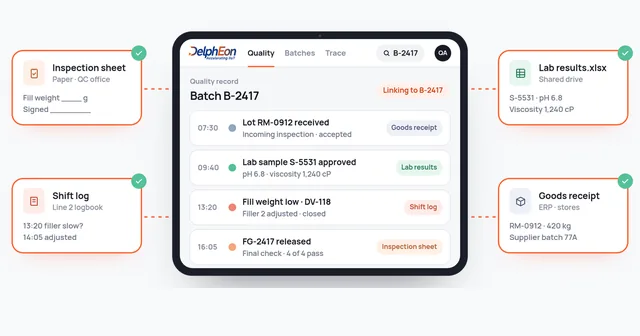
Bring sample testing, laboratory results, and relevant production information together to support quality reviews and structured approval workflows.
In Unit 1The CH-2208 sample is logged and its viscosity result is in. Purity testing and QC approval are still pending.
Key measuresSample Status·Test Results·Approval Status
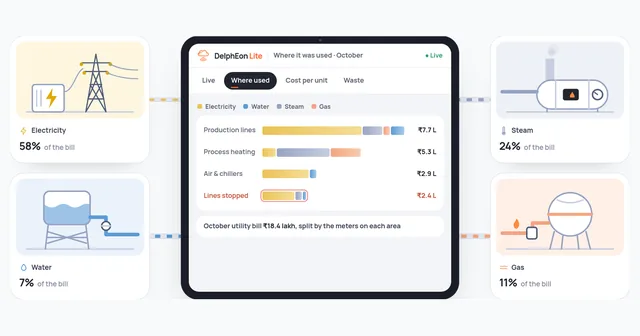
Explore Quality Management & TraceabilitySteam, electricity, water, and fuel consumption contribute significantly to manufacturing costs.
“How much steam does each ton of product really take?”Engineering manager
Analyze consumption of steam, electricity, water, gas, and other utilities across processes and operating periods to identify inefficiencies.
In Unit 1Steam per ton of product rose from 1.8 t to 2.1 t over the month, with most of the increase in the hold stage.
Key measuresSteam Consumption·Specific Energy·Utility Cost
Explore Utilities & Cost Analytics01 / 04
Stage by stage
One view from raw material charging to packed product, built around the stages a chemical plant actually runs.
Charged quantities written on the batch sheet
Charged quantities and raw material lots linked to the batch.
Temperature and pressure logged by hand every hour
Temperature, pressure, flow and stage durations recorded continuously, with deviations flagged.
Stage end times noted in the shift log
Distillation, filtration and drying conditions and durations for every batch.
Sample results in a lab register or spreadsheet
Sample status, test results and approval status linked to the batch.
Packed quantity reconciled with the batch at the end
Packed quantity and batch yield, linked to dispatch records.
Boiler and meter readings once a shift
Steam, electricity, water and fuel consumption per ton of product.
Two batches, compared
When two chemical batches produce different results, understanding the cause requires more than reviewing final output.
DelphEon helps connect historical process parameters, batch durations, deviations, and available quality information for more informed investigations.
Peak reactor temperature during the hold stage
CH-220786 °CCH-220891 °C
Same recipe, longer hold stage
CH-22076.2 hCH-22087.0 h
Yield from the same charge
CH-220796.1%CH-220893.4%
A cooling-water flow dip during the hold, now reviewed
CH-22071 eventCH-22083 events
Getting started
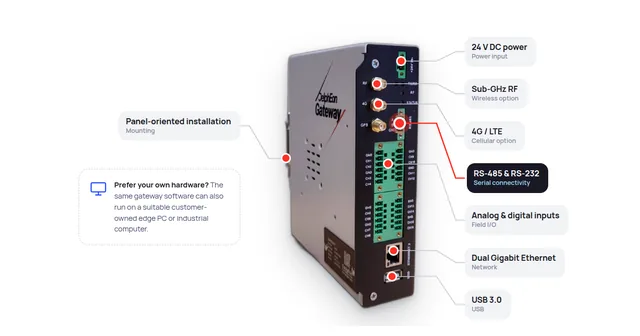
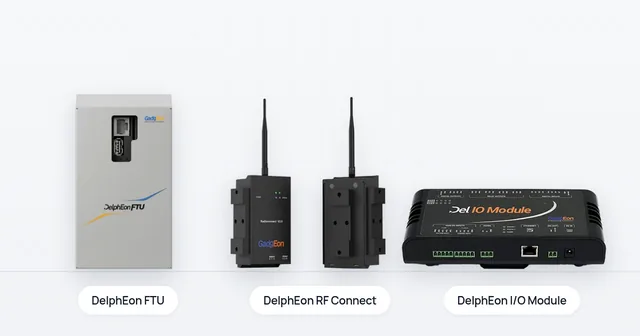
Reactors, DCS and PLC systems connect through DelphEon Gateway using OPC UA, Modbus, S7 or MELSEC, or through I/O signals where there is no controller interface. Steam, power, water and fuel meters connect the same way.
Begin with one reactor or product, including its lab samples and utility meters, and compare its batches.
Add reactors, products and plants once the first unit’s batch records are trusted. Your ERP keeps its existing responsibilities.
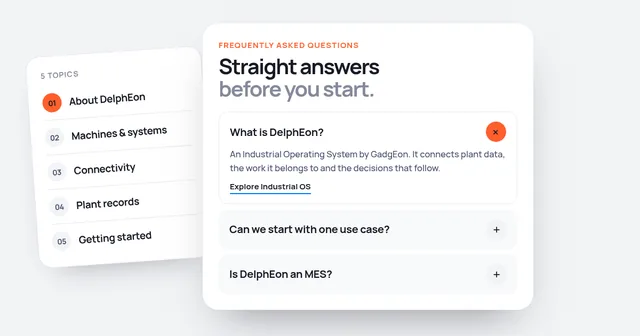
FAQ
Where the DCS or PLC exposes data through a supported interface such as OPC UA or Modbus, DelphEon Gateway can read process parameters from it. DelphEon is used to monitor and record; process control stays with your DCS and operators. Each system is assessed during scoping.
Yes. Sample status, test results and approval status can be linked to the batch they belong to, so quality reviews see process and laboratory information together. Which tests and approval steps apply is agreed at the start.
No. DelphEon keeps process, batch and laboratory records connected for reviews and investigations. Batch release decisions and regulatory obligations stay with your quality team and existing procedures.
With one reactor or product, including its lab samples and utility meters. The aim is a complete, trusted batch record for that unit before you expand.
Connect process monitoring, batch records, laboratory information, and utility performance to gain a clearer view of chemical manufacturing operations.
Discuss Your Chemical Manufacturing Requirements