





Challenge 01
Process Variations
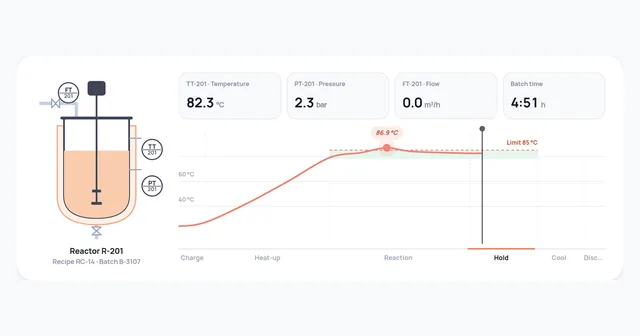
Changing raw material characteristics and operating conditions can affect product consistency and output.
“Why did B-0418 need three more minutes in the roaster?”Production manager
Food & Agro Processing
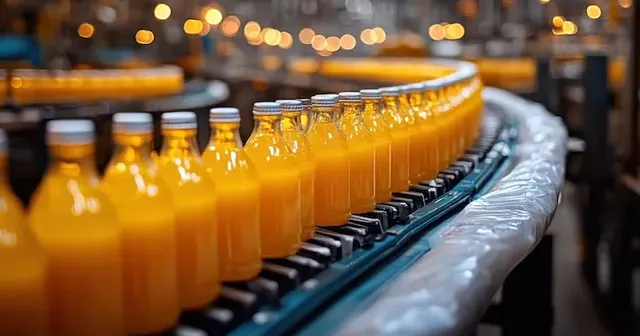
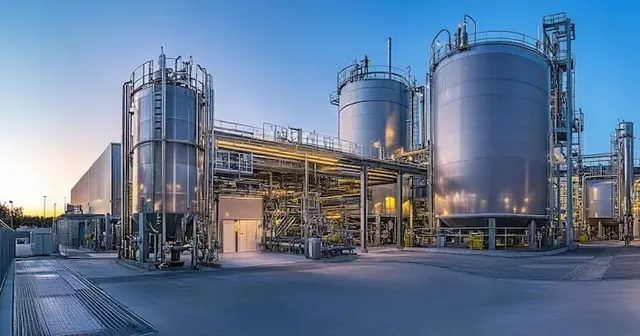
From raw material processing and blending to roasting, packaging, and finished goods, DelphEon helps food and agro manufacturers monitor operations, track batch performance, and improve visibility into yield and resource consumption.
Scroll to watch:Shown here: Extracting curcumin from turmeric
Line 2 · Turmeric to curcumin
One batch record from the turmeric lot to the packed drum.
Changing raw material characteristics and operating conditions can affect product consistency and output.
“Why did B-0418 need three more minutes in the roaster?”Production manager
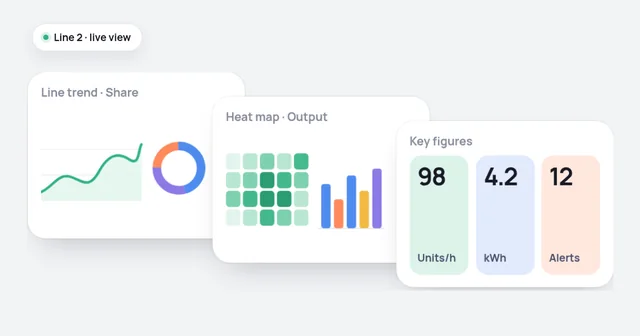
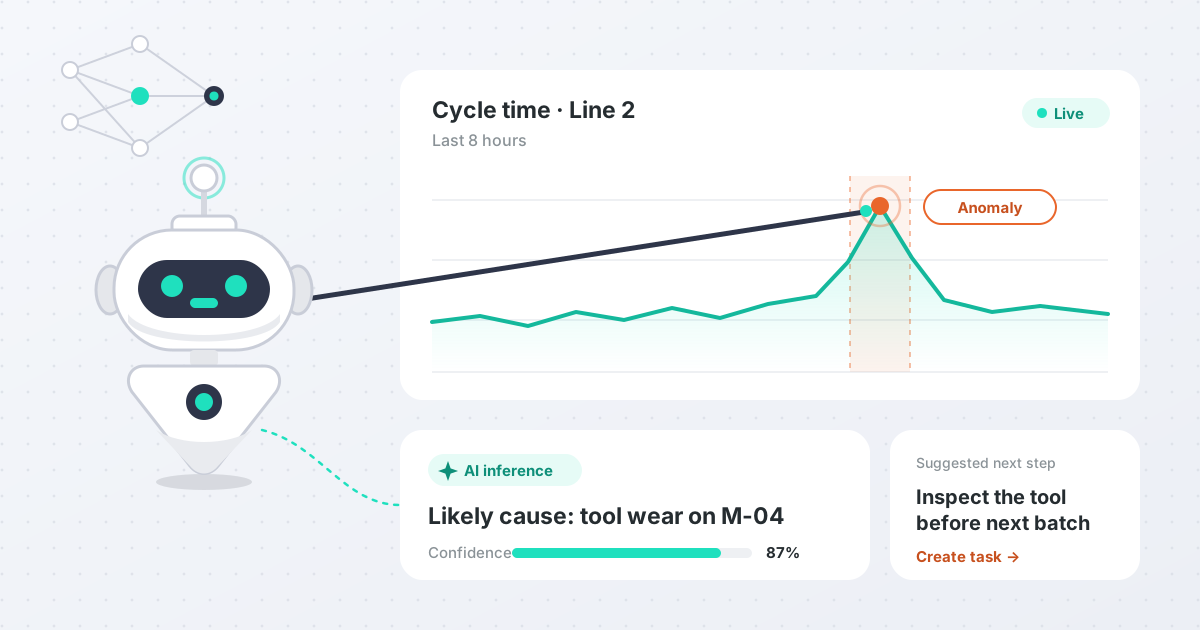
Monitor critical parameters across roasting, blending, mixing, and other processing stages to understand deviations and compare production batches.
On Line 1B-0418 roasted three minutes longer than B-0417 on the same profile, with the outlet temperature logged throughout.
Key measuresProcess Parameters·Batch Duration·Deviations
Explore Process Monitoring & Batch ManagementUntracked losses across processing stages make yield improvement difficult.
“Where did 60 kg go between the input and the packed output?”Plant head
Connect input quantities, production output, and processing records to identify material losses and investigate variations in yield.
On Line 12,000 kg in and 1,640 kg packed on B-0418: 82.0% yield, against 85.0% on B-0417.
Key measuresYield %·Material Loss·Production Output
Explore Process Monitoring & Batch ManagementProcess conditions, quality results, and production histories are often maintained separately.
“Which process conditions and test results belong to this packed lot?”Quality head
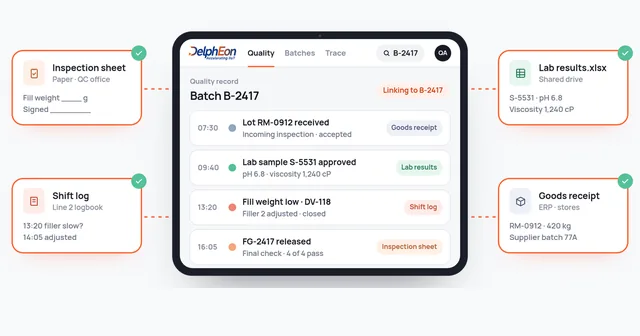
Maintain connected inspection, testing, and batch information to support quality reviews, process investigations, and product traceability.
On Line 1Start from packed lot B-0418 and see its intake moisture test, roast record and rejections together.
Key measuresQuality Results·Batch History·Rejections
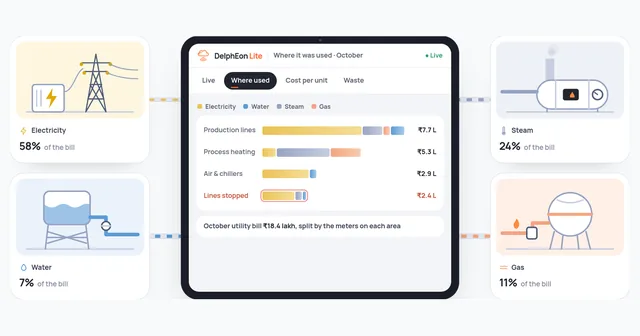
Explore Quality Management & TraceabilitySteam, electricity, water, and other utilities significantly influence processing efficiency and operating costs.
“How much steam and power did each ton cost us this week?”Engineering manager
Monitor electricity, steam, water, and other utilities against relevant production measures to understand consumption efficiency and operating costs.
On Line 1Steam per ton rose from 0.41 t to 0.46 t in the same week that output fell.
Key measureskWh/Ton·Steam/Ton·Water/Ton
Explore Utilities & Cost Analytics01 / 04
Stage by stage
One view from raw material intake to packed finished goods, built around the stages a food and agro plant actually runs.
Lot weights and moisture checks in a register
Incoming lots, weights and test results linked to the batches that use them.
Ingredient additions noted by the operator
Ingredient quantities, mixing time and stage conditions for each batch.
Temperatures read off the panel at intervals
Temperature, duration and deviations recorded through every batch.
Packed counts totalled at the end of the shift
Packed output, rejections and line stoppages by batch and shift.
Test results kept in separate sheets
Lab and inspection results linked to the batch and the packed lot.
Meter readings taken once a day
Electricity, steam and water consumption per ton of output.
Two batches, compared
Two batches may follow similar processing steps yet produce different yields or quality outcomes.
DelphEon helps manufacturers compare recorded process conditions, batch durations, and output to investigate variations and identify improvement opportunities.
Same 2,000 kg charge, wetter raw material
B-041711.6%B-041812.9%
Longer roast on the same profile
B-041716 minB-041819 min
Packed output from the same input
B-04171,700 kgB-04181,640 kg
Intake moisture added to the batch review
B-041785.0%B-041882.0%
Getting started
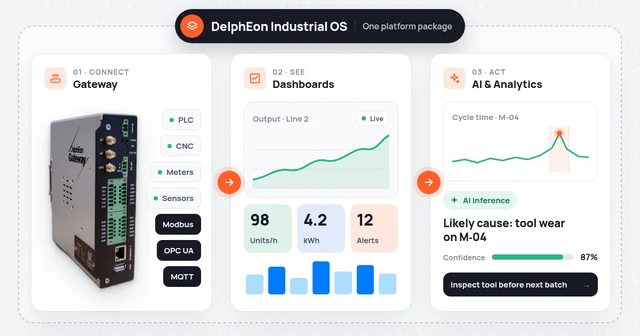
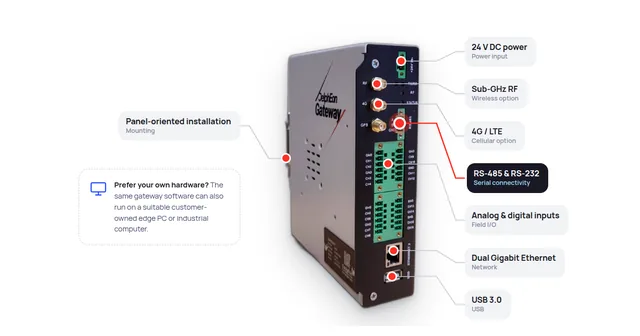
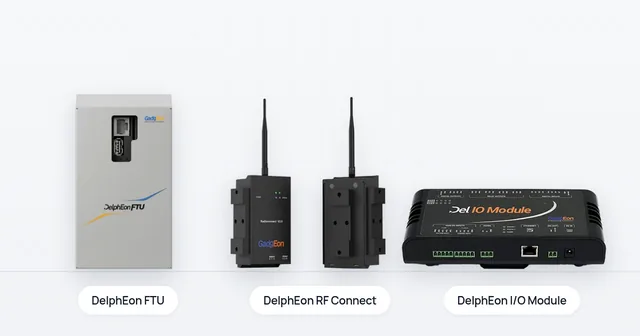
Roasters, mixers, dryers and packing lines connect through DelphEon Gateway using OPC UA, Modbus, S7 or MELSEC, or through I/O signals where there is no controller interface. Energy, steam and water meters connect the same way.
Begin with one product line, from raw material input to packed output, including its quality checks and utility meters, and compare its batches.
Add lines, products and plants once the first line’s batch records are trusted. Your ERP keeps its existing responsibilities.
FAQ
Yes, where input and output quantities are recorded for the batch, whether from weighing scales, PLC counters or operator entries. DelphEon then shows yield and material loss by batch, product and line. Which stages count as input and output is agreed at the start.
Utility meters with a usable output, such as Modbus or pulse signals, connect through DelphEon Gateway. Consumption is then shown against production output, for example kWh, steam or water per ton. Each meter is assessed during scoping.
No. DelphEon keeps process, batch and quality records connected for reviews and investigations. Hold and release decisions and food-safety validation stay with your quality team and existing procedures.
With one product line, from raw material input to packed output, including its quality checks and utility meters. The aim is a complete, trusted batch record for that line before you expand.
Connect process information, batch performance, quality records, and utility consumption to make food and agro manufacturing more measurable and manageable.
Discuss Your Food Manufacturing Requirements